
When the Sonic Adventure launched alongside the Sega Dreamcast in 1998, it felt like a statement of intent from Sega. Sonic had finally made the leap into fully 3D gameplay, and at the time, it genuinely looked like the future. Huge environments, cinematic cutscenes, voice acting, multiple playable characters, and a soundtrack packed with energy all combined to create one of the most ambitious platformers of its era.
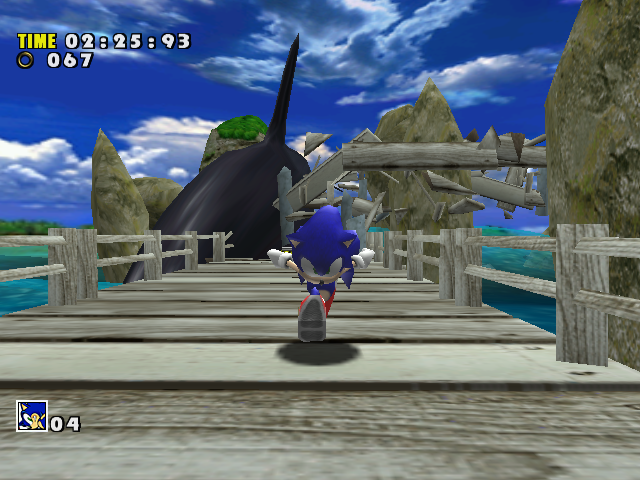
Even today, Sonic Adventure remains one of the most fascinating and memorable entries in the series. It’s messy in places, undeniably dated in others, but there’s still a huge amount of charm underneath the rough edges.
Fast, Ambitious and Unforgettable
The core of Sonic Adventure is still incredibly fun. Sonic’s stages focus on speed and momentum, encouraging players to blast through loops, bounce across springs, and race through sprawling environments at breakneck pace. Stages like Emerald Coast, Speed Highway and Windy Valley perfectly capture the thrill of what a 3D Sonic game should feel like. When everything clicks together, Sonic Adventure delivers a sense of speed that very few platformers of the time could match.
The game also deserves credit for its sheer ambition. Rather than simply offering one campaign, Sonic Adventure tells its story through the perspectives of six playable characters. Some campaigns are stronger than others, but the variety helped the game feel massive back in the Dreamcast era. There was always something new to unlock, explore or discover.
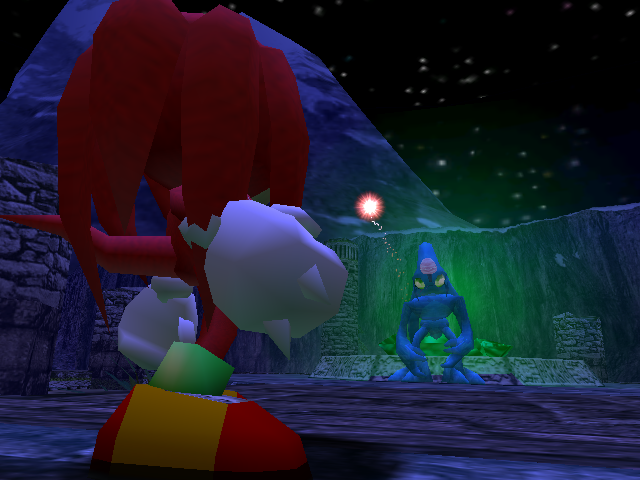
Visually, Sonic Adventure was stunning for 1998. The lighting, water effects and large open hubs pushed the Dreamcast hardware hard, and while modern players may notice the ageing character models and occasional texture pop-in, there’s still a colourful and vibrant style that gives the game personality.
The soundtrack is another major highlight. From upbeat rock tracks to atmospheric level themes, the music remains one of the strongest soundtracks in Sonic history. “Open Your Heart” during the final battle is still legendary among fans.
Rough Edges That Are Hard to Ignore
As beloved as Sonic Adventure is, it definitely shows its age. The camera can be frustrating, especially during tighter platforming sections, and collision detection occasionally causes cheap mistakes. Some of the alternate gameplay styles also feel far weaker than Sonic’s core stages.
Big the Cat’s fishing missions are infamous for slowing the pace to a crawl, while Knuckles’ treasure hunting and Amy’s slower stealth-focused gameplay can feel repetitive compared to Sonic’s adrenaline-fuelled levels. The voice acting, while charming in a nostalgic way, is also wildly inconsistent and often unintentionally funny.
The story itself leans heavily into late-90s anime-inspired melodrama. Some players will love that earnest, over-the-top tone, while others may find it difficult to take seriously today.