For decades, buying a games console followed a fairly predictable pattern. You’d pay full price at launch, wait a couple of years, and sooner or later the price would start to fall. Manufacturers would release slimmer revisions, bundle in a game or two, and suddenly that £300 console was available for £199.
However, that trend has been turned on its head this generation.
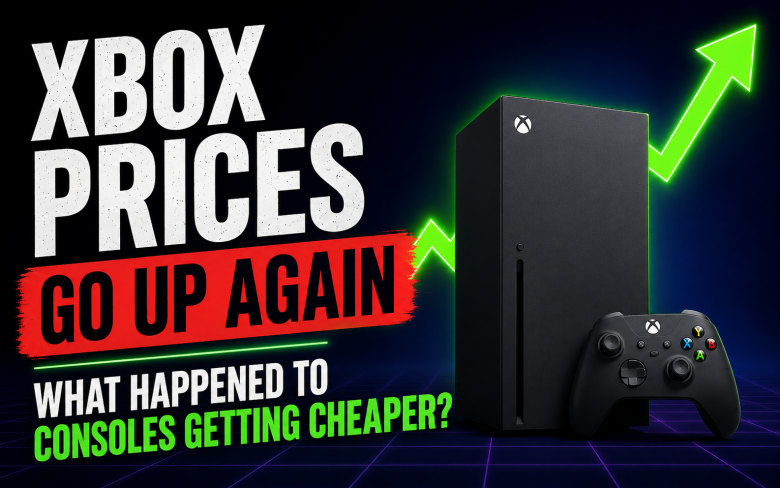
Microsoft has now announced another worldwide price increase for its Xbox consoles, with prices set to rise from 1 August 2026. Depending on the model, prices are increasing by between $100 and $150, making this the third significant Xbox hardware price rise in just over a year. Microsoft says soaring storage and memory costs are behind the decision, with AI-driven demand for components making consoles far more expensive to manufacture than they were only a couple of years ago.
For many gamers, it feels like unfamiliar territory.
A Generation Unlike Any Other
Console prices have almost always moved in one direction after launch.
The original PlayStation, PlayStation 2, Xbox 360, Wii, PlayStation 3 and countless other systems all became significantly cheaper as they matured. Manufacturing processes improved, components became less expensive and companies could pass those savings onto consumers.
Sometimes the reductions were dramatic.
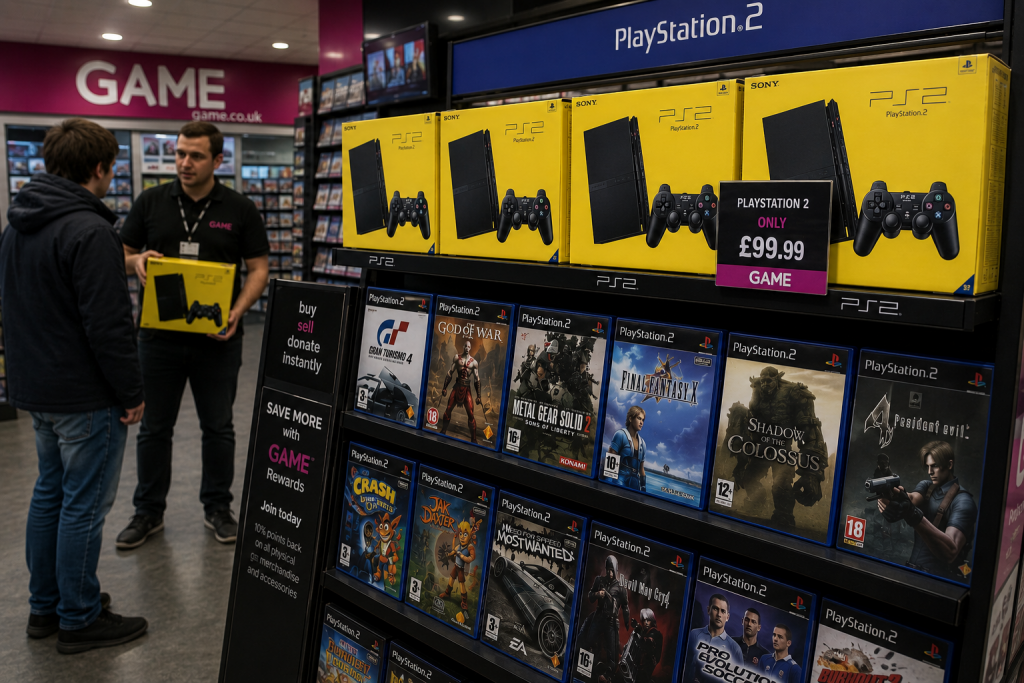
The PlayStation 2 launched in the UK for around £299 before eventually becoming a £99 console. Nintendo’s Wii fell steadily in price throughout its life, while Microsoft’s Xbox 360 saw numerous price cuts that helped keep sales strong during its peak years.
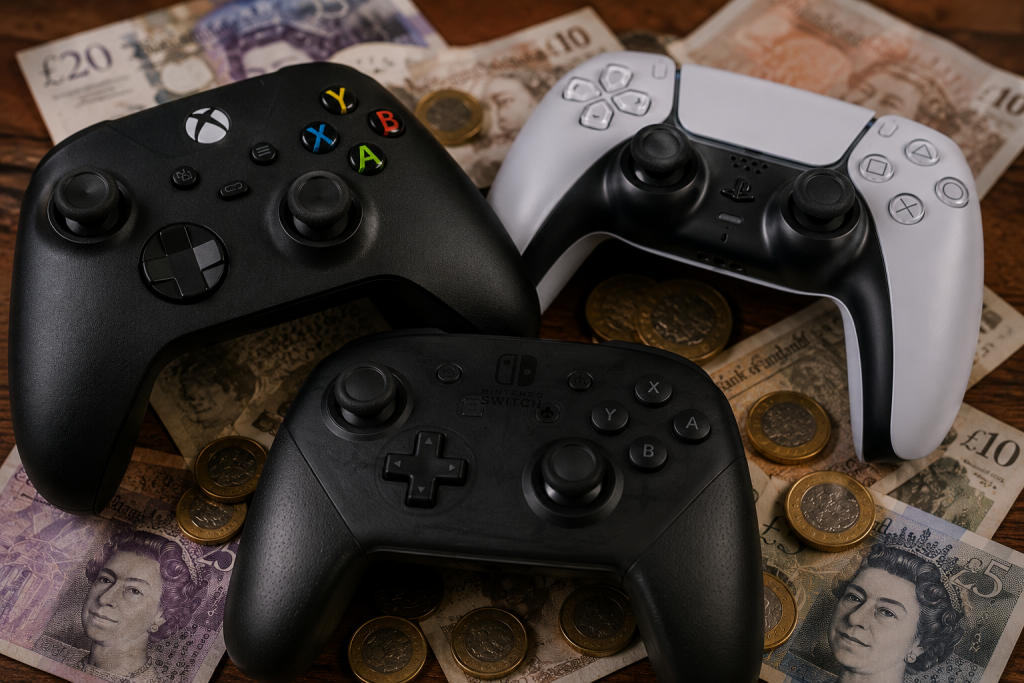
The current generation has done exactly the opposite. Instead of becoming more affordable, the Xbox Series X and Series S have steadily become more expensive. Sony has also raised PlayStation 5 prices in several regions during this generation, while Nintendo has increased pricing on its newer hardware as manufacturing costs have climbed.
It’s something that would have been unimaginable during previous generations.
It’s Not Just Microsoft
Although Xbox is making headlines this week, Microsoft isn’t alone.
Sony has already introduced multiple PlayStation 5 price increases across various territories over the last few years. This includes both the UK and Europe. Sony has already announced another round of increases affecting the PS5 family in several major markets earlier this year. Citing many of the same economic pressures now being mentioned by Microsoft.
Nintendo has largely avoided frequent hardware price changes in the past. However even they have found themselves adjusting prices on newer hardware as production costs have risen.
For perhaps the first time in modern console history, all three platform holders have found themselves increasing hardware prices rather than reducing them.
Why Is This Happening?
Consoles have traditionally been sold at very small profit margins, and in many cases at a loss. The expectation has always been that companies would make their money back through software sales, subscriptions and accessories over the lifetime of the machine. A model that is often called the razor and blades model.
That model becomes much harder when the hardware itself suddenly becomes significantly more expensive to build.
Microsoft says memory and storage component prices have increased dramatically. With demand from AI infrastructure placing huge pressure on global supply. Storage and memory costs have more than doubled or tripled over the last year. This then leaves manufacturers with little choice but to pass some of those increases onto consumers.
It’s a reminder that the gaming industry doesn’t exist in isolation. Every company building servers, AI data centres and high-performance computing hardware is competing for many of the same components that go into modern consoles.
What Does This Mean for Players?
The obvious downside is that jumping into console gaming is becoming increasingly expensive.
For younger players especially, consoles have traditionally been one of the more affordable ways into gaming. Seeing prices rise five or six years after launch feels strange, particularly when many people have spent decades expecting the opposite.
The silver lining is that there are still good deals to be found. Retail discounts, second-hand consoles and refurbished hardware remain excellent ways to save money. Physical game prices often also fall much faster than digital storefronts. Xbox Game Pass, PlayStation Plus and Nintendo Switch Online also continue to offer strong value if you’re looking to stretch your gaming budget.
Is This the New Normal?
It’s difficult to say, but it doesn’t seem to be going away any time soon.
If manufacturing costs eventually settle and component prices fall, we could see console pricing return to something resembling the old pattern. But if the demand for AI hardware continues to dominate semiconductor production, today’s pricing may become the norm rather than the exception.
One thing is certain though: this console generation has rewritten a rule many gamers simply took for granted.
For years we joked about waiting until a console dropped below £200 before finally buying one.
Now we’re watching five and six-year-old consoles become more expensive instead. It’s the early adopters who are now the one’s getting some of the best value from their purchases.
That’s something few of us ever expected to see.