

Nintendo has finally given us a proper look at its upcoming remake of The Legend of Zelda: Ocarina of Time, with the Nintendo 64 classic set to return exclusively on Nintendo Switch 2 on 5 November 2026.
Shown during Nintendo’s special Zelda 40th Anniversary Direct, series producer Eiji Aonuma presented the first gameplay from the remake and revealed just how extensively Nintendo has rebuilt Link’s 1998 adventure. And this certainly isn’t just Ocarina of Time running at a higher resolution.
A Very Different Hyrule
Nintendo says the remake features completely overhauled visuals, alongside fully voiced cutscenes, expanded character dialogue, a newly recorded symphonic orchestral soundtrack and reworked camera and movement controls.
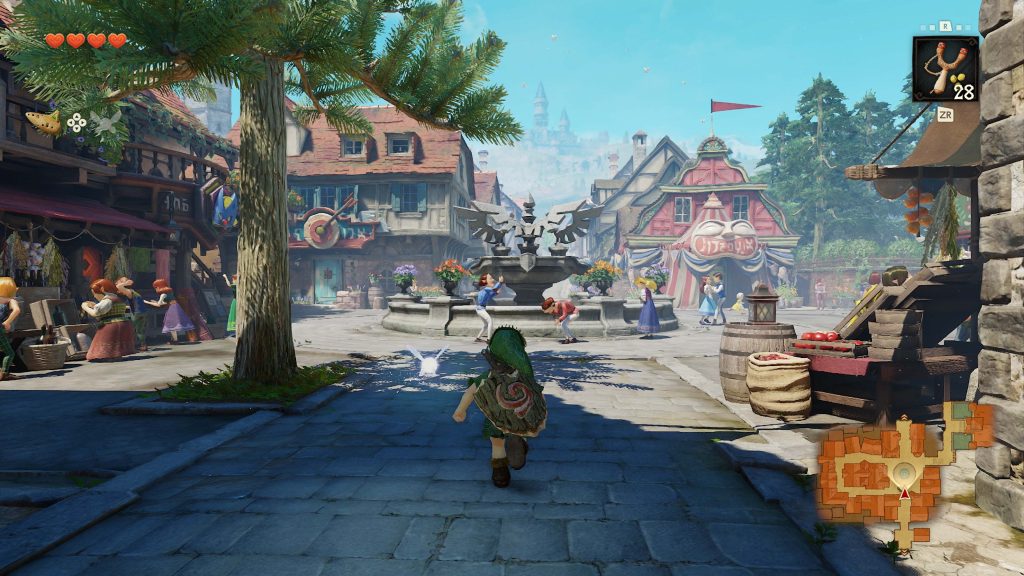
It’s a substantial change from the original Nintendo 64 release, which famously relied on text boxes, relatively simple character models and the N64’s single analogue stick. Although that doesn’t mean the new visual change is universally applauded. The original Ocarina of Time has a very particular appearance that, despite the limitations of the Nintendo 64, has become an important part of the game’s identity over the past 28 years.
Nintendo now has the unenviable task of modernising one of the most celebrated games ever made without losing the atmosphere that made it special in the first place.
We’ve already seen this done once before, of course. Ocarina of Time 3D gave the game a substantial visual overhaul when it arrived on Nintendo 3DS in 2011, while largely retaining the appearance and structure of the original. However it is clear that this Switch 2 remake is much more ambitious in its scope.
Zelda’s 40th Anniversary
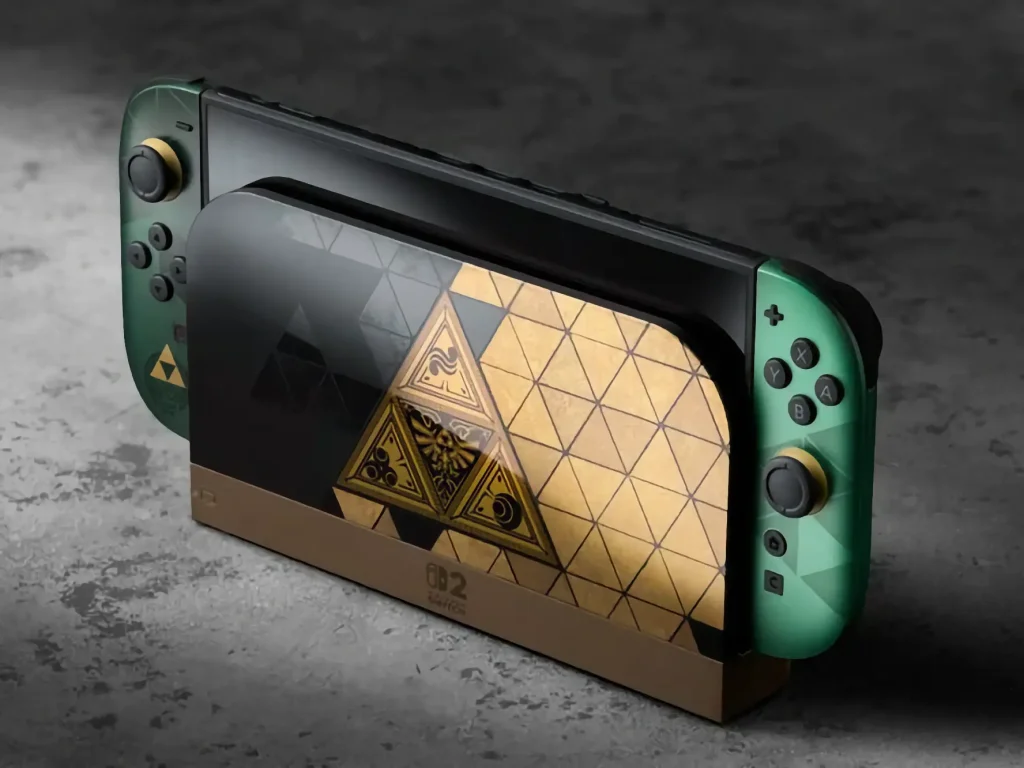
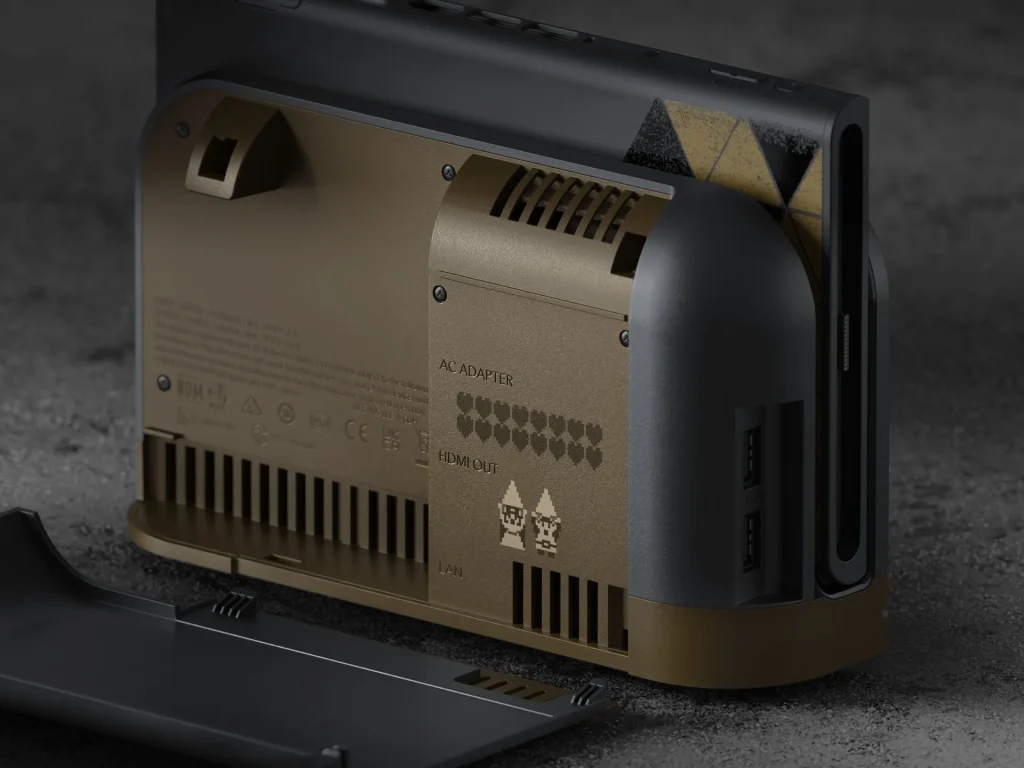
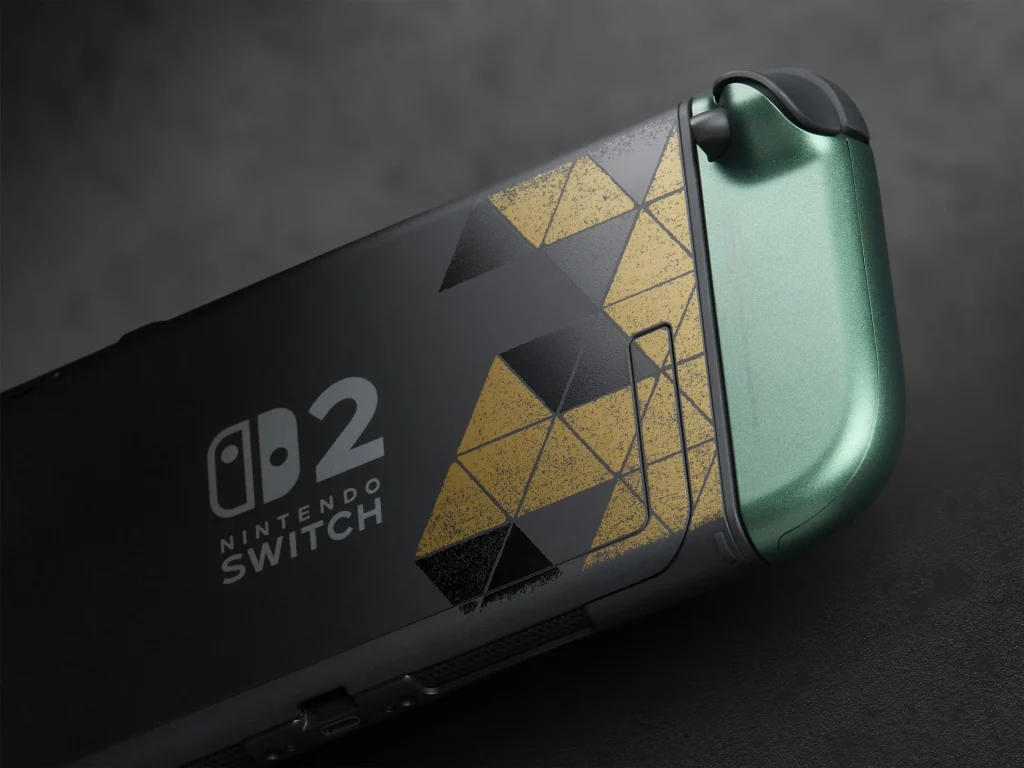
The remake forms the centrepiece of Nintendo’s celebrations for The Legend of Zelda’s 40th anniversary. To celebrate this milestone Nintendo also unveiled a special Nintendo Switch 2 – The Legend of Zelda – 40th Anniversary Edition console. Set for release on the 29th October, a week before Ocarina of Time arrives.
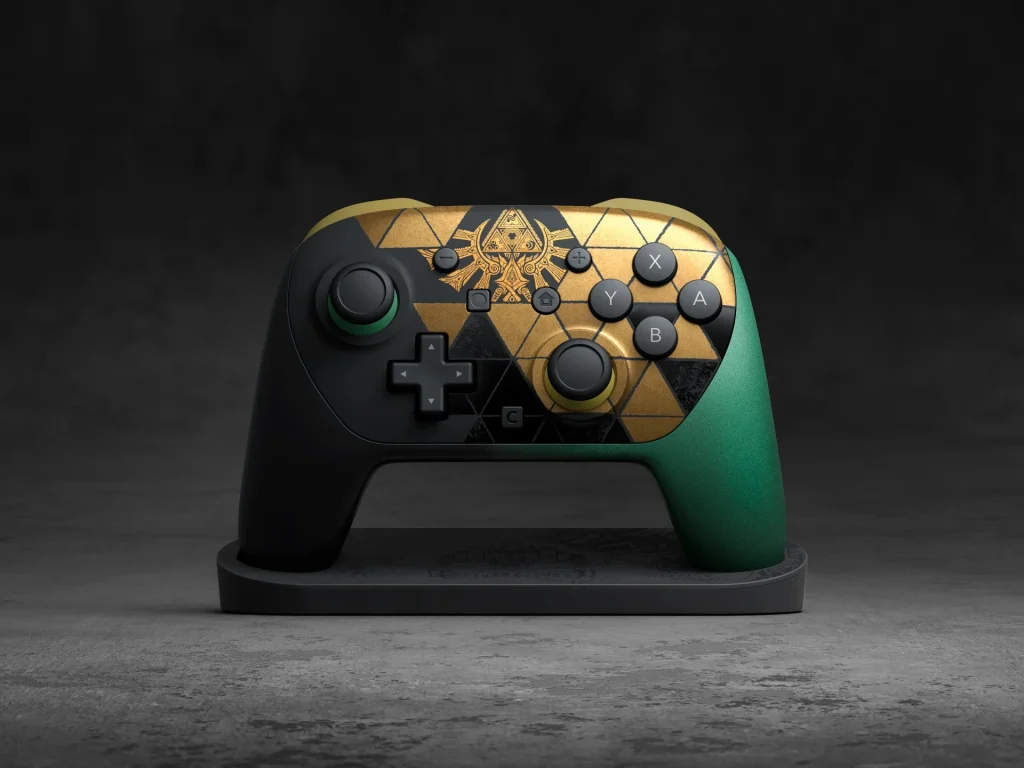
Additionally Nintendo also shown anniversary versions of the Switch 2 Pro Controller and carrying case as well as two Ocarina of Time themed Amibo figures of Link and Princess Zelda.

It’s quite fitting that Nintendo has chosen Ocarina of Time for such a prominent role in the celebrations. It was the series’s first Originally released for Nintendo 64 in 1998, the game successfully translated the Zelda formula into 3D for the first time and introduced features that influenced action-adventure games for years afterwards.
Even though I never played much further than a couple of hours into Ocarina of Time when it was originally released, like many players it’s also one of those games where certain locations, sounds and pieces of music are permanently etched into my memory. Hyrule Field. Kokiri Forest. The Temple of Time.
Nintendo therefore has quite a lot to live up to.
Can You Improve on a Classic?
That’s probably the most interesting question surrounding this remake.
Modern controls and a better camera are easy improvements to understand. Fully voiced dialogue and significantly redesigned characters are potentially much more divisive. Just look at the recent Halo: Campaign Evolved release. Change too much and you have the original fans complaining that it has lost the soul that made the original great. Change too little and you have just as many fans asking, what was the point?
Either way we’ll find out whether Nintendo has managed that balance when The Legend of Zelda: Ocarina of Time launches for Nintendo Switch 2 on 5th November 2026.